Making Vanilla Cultivation Accessible
Vanilla (Vanilla planifolia) is widely recognized as one of the most valuable spices in the world. Often referred to as “green gold,” vanilla ranks among the most sought-after natural ingredients globally due to its rarity, complex cultivation process, and versatile applications.
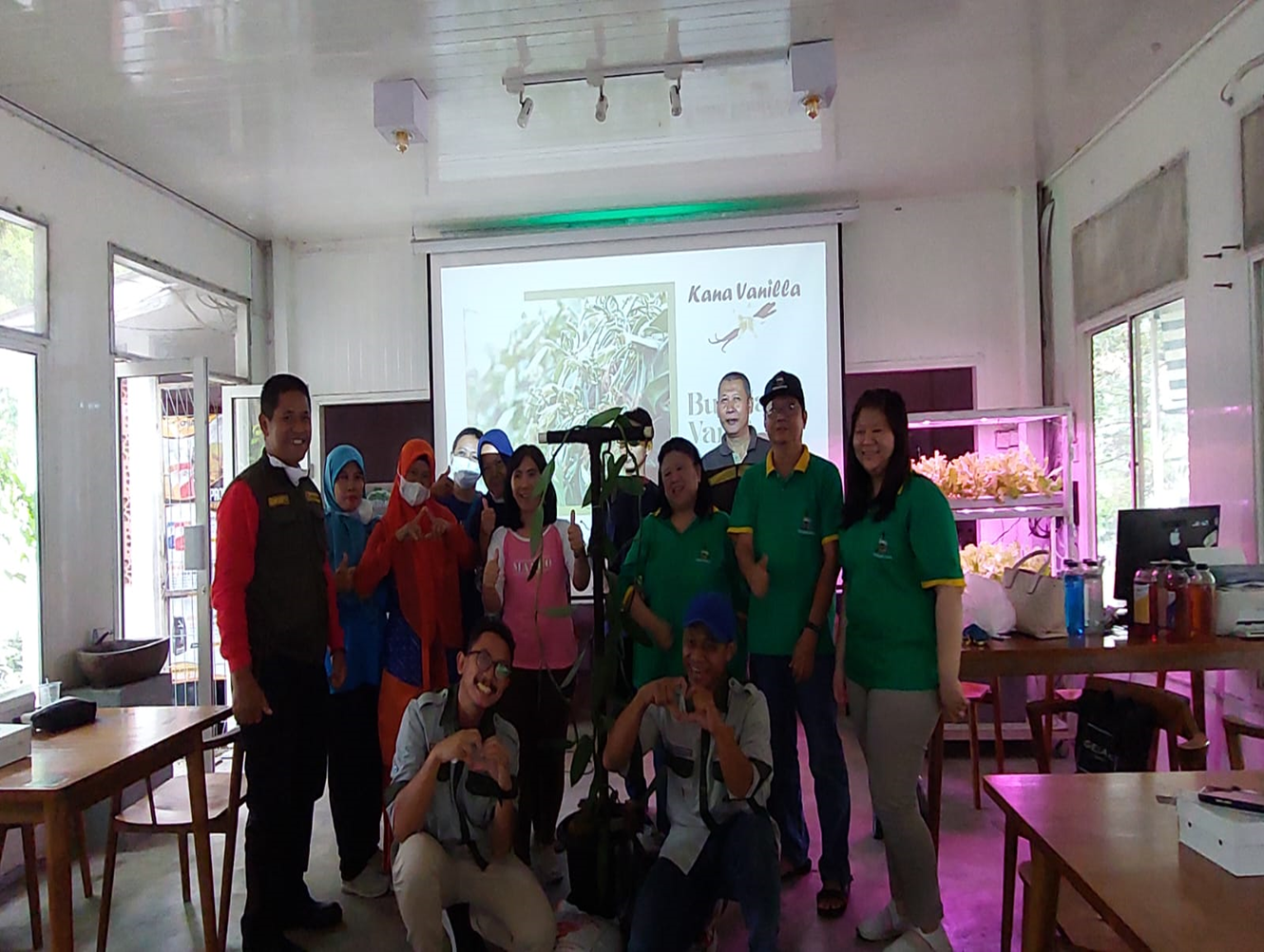
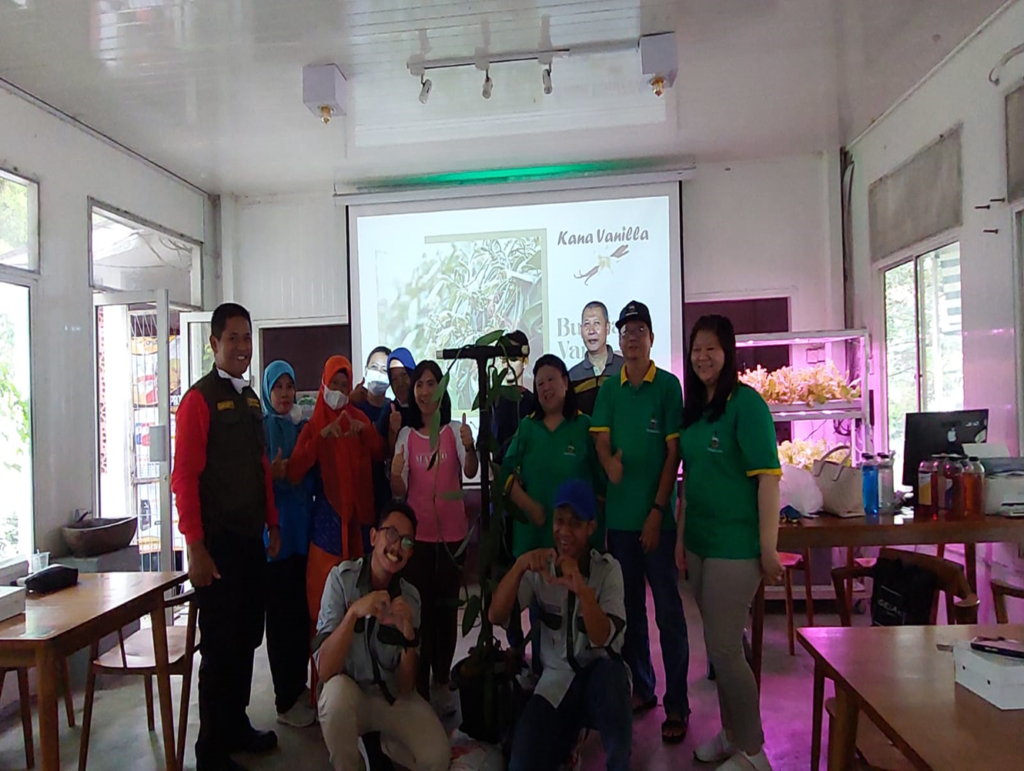
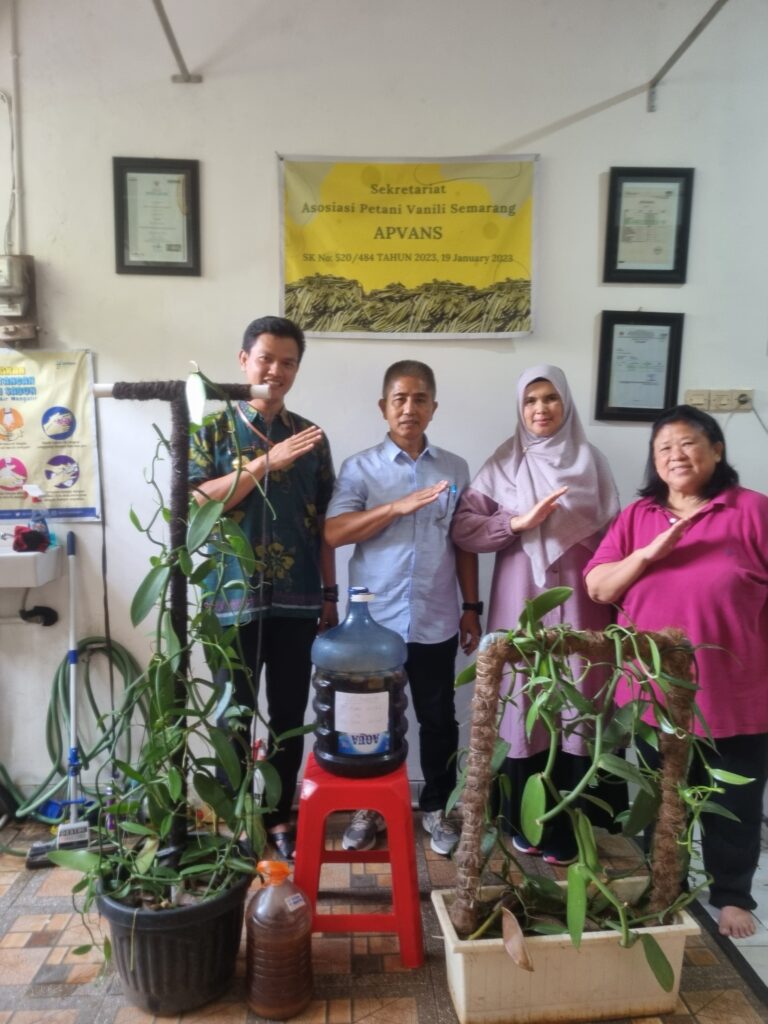
Despite its premium market value, vanilla cultivation can be adapted to urban environments and household gardens. Through this educational program, Kana Vanilla introduces simple cultivation techniques that allow vanilla beans to grow alongside other household plants.
Participants are guided through the basic principles of vanilla cultivation, including:
- Establishing suitable shade and support structures for vanilla vines
- Understanding planting and cultivation methods
- Managing basic plant care in limited spaces
- Integrating vanilla with other household food crops
This approach demonstrates that valuable crops can be grown in backyards, small gardens, or community spaces, making agribusiness more inclusive and accessible.

Unlocking the Potential of a High-Value Crop
Vanilla’s economic potential extends beyond its role as a flavoring ingredient. Natural vanilla is widely used across several industries, including:
- Food and Beverage: baking, desserts, beverages, and culinary flavoring
- Pharmaceuticals: valued for its natural antioxidant properties
- Cosmetics and Personal Care: fragrances and skincare formulations
By introducing vanilla cultivation at the community level, Kana Vanilla helps participants understand how a single crop can connect local growers to diverse global industries.
Supporting Sustainable Community Development
The urban farming initiative is aligned with Kana Vanilla’s mission to elevate quality of life through responsible agribusiness. By encouraging local participation in vanilla cultivation, the program supports a more inclusive agricultural ecosystem where communities can gain new skills and potential sources of income.
A key element of this effort is increasing community involvement in the agricultural value chain, particularly by encouraging the participation of women in cultivation and small-scale agribusiness activities.
For Kana Vanilla, vanilla cultivation is not only about producing a premium spice. It is about building knowledge, strengthening communities, and promoting sustainable agricultural practices.
Through urban vanilla farming education, Kana Vanilla demonstrates that meaningful economic opportunities can begin from something as simple as a backyard garden. By combining agribusiness expertise with community engagement, the company continues to develop an ecosystem where quality production and social impact grow together.