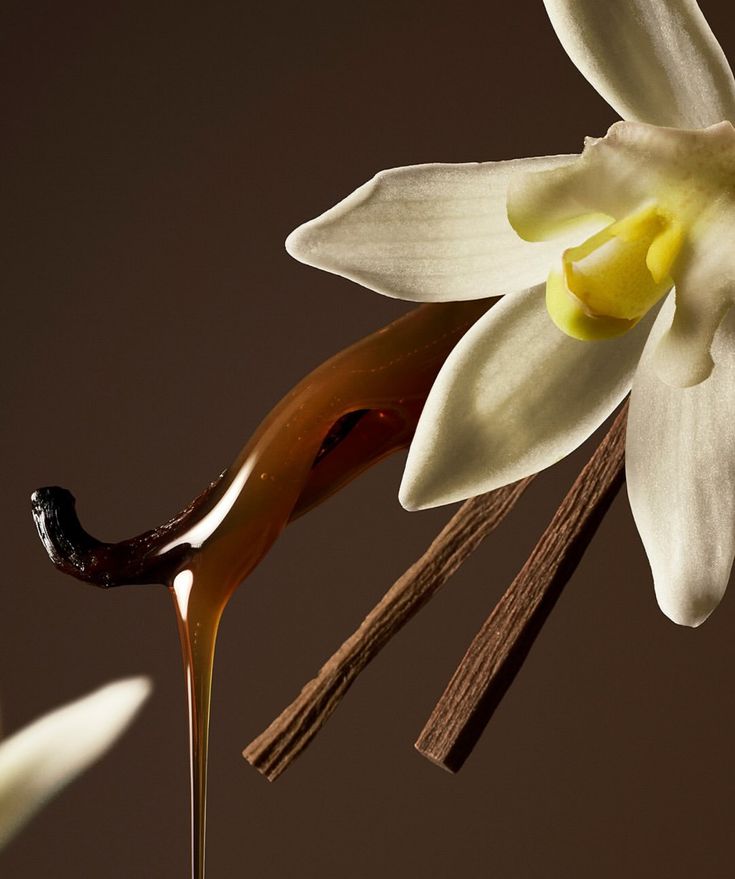
Vanilla is one of the most popular flavors in the world. Often used in desserts, beverages, perfumes, and even pharmaceuticals. However, not all vanilla products are the same. In the market, vanilla generally comes in two forms: real (natural) vanilla and synthetic vanilla.
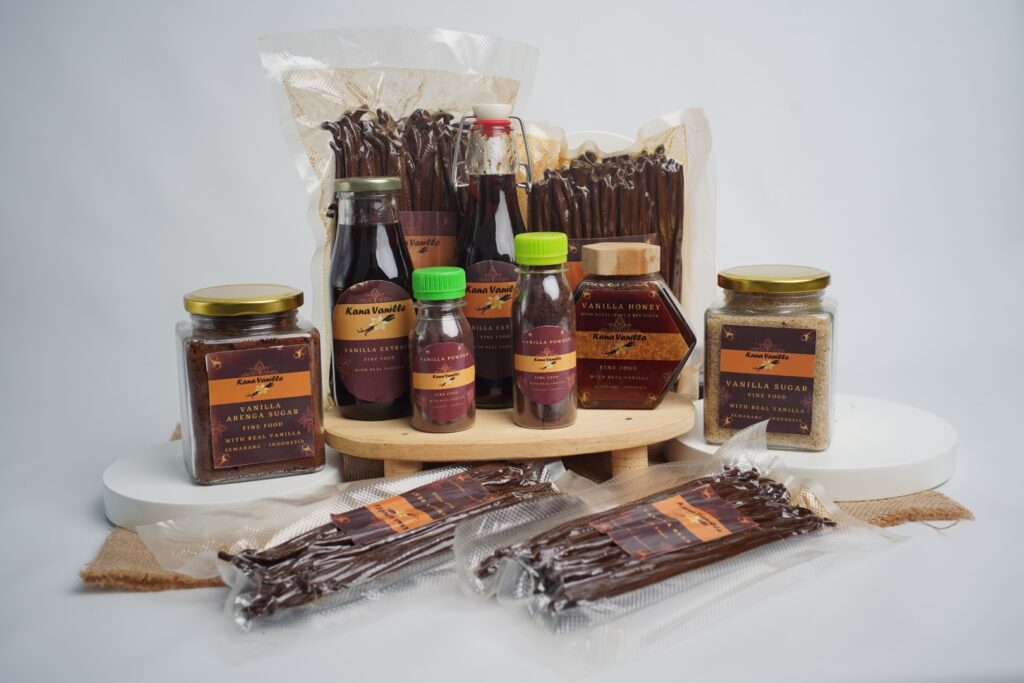
Understanding the difference between these two types is important for consumers, food producers, and businesses that value quality ingredients.
What Is Real Vanilla?

Real vanilla comes from the cured pods of the vanilla orchid, most commonly Vanilla planifolia. Farmers carefully cultivate the plant, hand-pollinate the flowers, and cure the pods through a long process that can take several months.
During curing, hundreds of natural aroma compounds develop inside the vanilla bean. These compounds create the complex flavor profile that real vanilla is known for.
Real vanilla products include:
- Whole vanilla beans
- Vanilla extract made by extracting flavor from beans
- Vanilla powder made from dried, ground beans
- Vanilla paste containing vanilla seeds (for texture) and extract
Because of its natural origin and complex flavor, real vanilla is widely used in premium baking, fine dining desserts, artisan beverages, and specialty food products.
What Is Synthetic Vanilla?
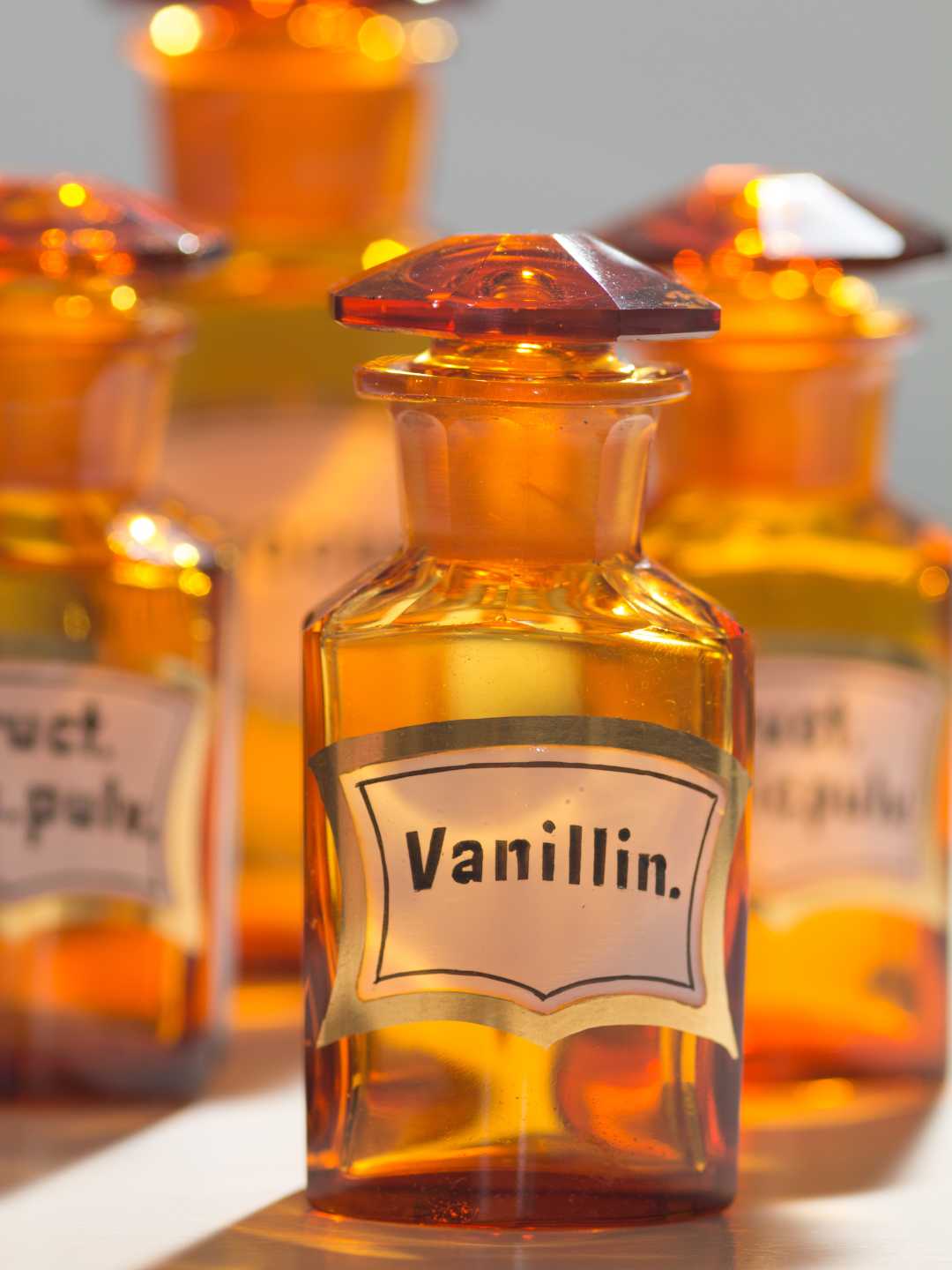
Synthetic vanilla is a manufactured flavoring designed to imitate the taste of real vanilla. The main compound responsible for the vanilla aroma is vanillin, which scientists can reproduce in laboratories using biochemicals such as lignin and petroleum-based chemicals.
Because it is inexpensive and easy to produce, synthetic vanilla is commonly used in:
- Mass-produced desserts (chocolate, ice cream)
- Processed foods
- Artificial flavoring products
While synthetic vanilla can mimic the aroma of real vanilla, it contains only one dominant flavor compound, rather than the hundreds found in real vanilla, therefore both taste and aroma pales in comparison to real vanilla.
Key Differences Between Real and Synthetic Vanilla
1. Flavor Complexity
Real vanilla contains more than 200 aromatic compounds, which create a rich, layered flavor. Synthetic vanilla mainly contains vanillin, so the flavor tends to be simpler and more one-dimensional.
2. Source of Ingredients
Real vanilla comes from natural vanilla beans grown by farmers. Synthetic vanilla is produced through industrial chemical processes.
3. Production Process
Growing vanilla requires careful cultivation, hand pollination, harvesting, and curing. This process can take 6–9 months after harvest. Synthetic vanilla can be produced quickly in laboratories.
4. Price and Market Position
Because natural vanilla requires time, labor, and agricultural expertise, it is significantly more valuable in the market. Synthetic vanilla is cheaper and widely used in large-scale food production.
5. Applications
Real vanilla is often chosen for premium culinary products and gourmet foods, while synthetic vanilla is commonly used in cost-sensitive mass production.
Why Many Premium Brands Choose Real Vanilla
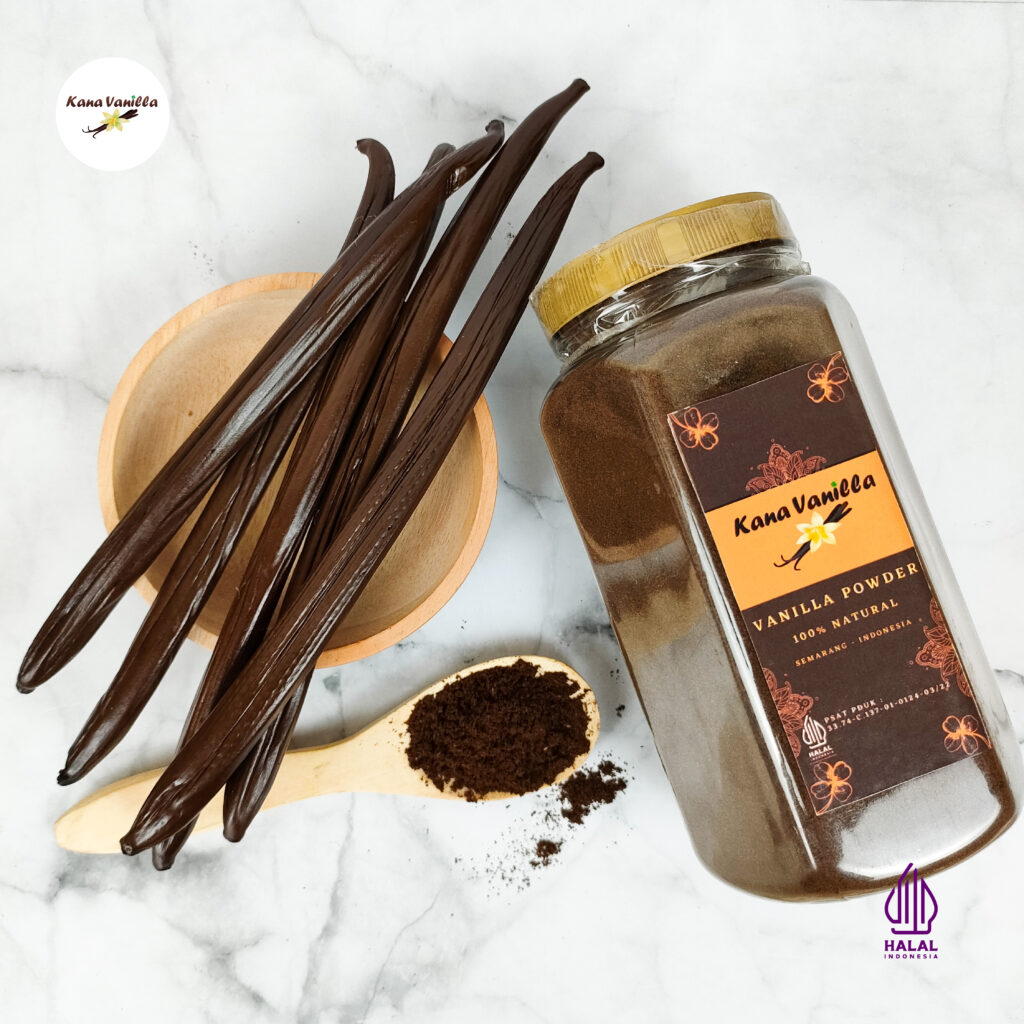
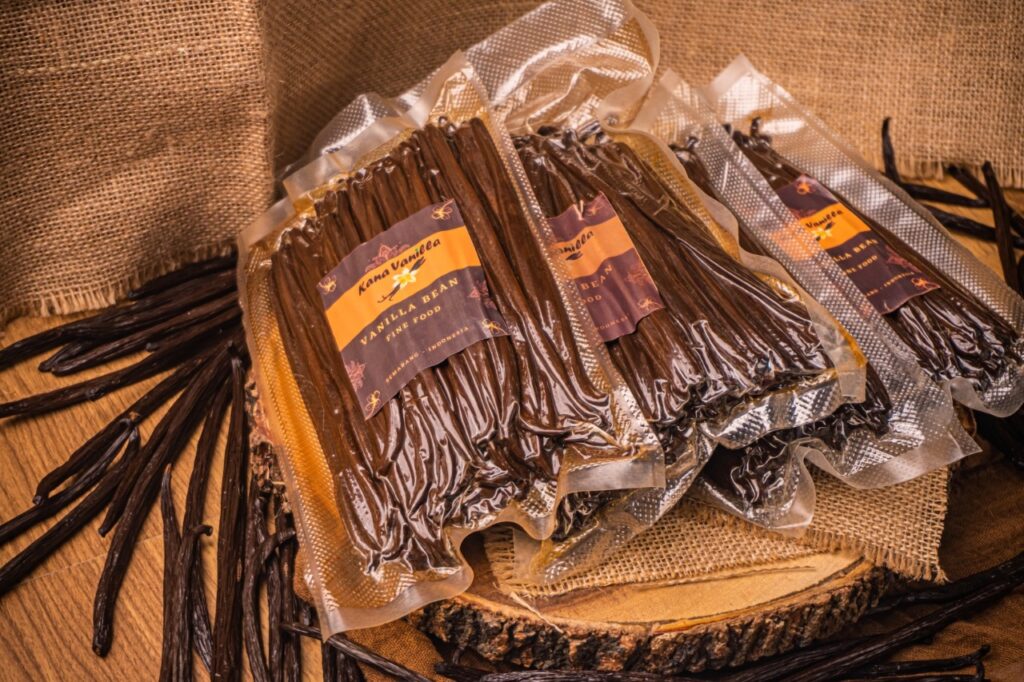

Brands that focus on quality ingredients often prefer real vanilla because it provides:
- A deeper and more authentic flavor
- A natural ingredient label
- Greater value for premium products
- A connection to sustainable agriculture and farming communities
For artisan bakeries, cafés, and specialty food brands, real vanilla helps create a distinctive flavor that cannot be fully replicated by synthetic alternatives.
Appreciating the Value of Natural Vanilla
Natural vanilla represents more than just a flavor. It reflects agricultural knowledge, careful cultivation, and a long tradition of craftsmanship.
By understanding the difference between real and synthetic vanilla, consumers and producers can make more informed decisions about the ingredients they use and enjoy.
In a world where flavor matters, the complexity and authenticity of real vanilla continue to make it one of the most treasured ingredients in global cuisine.